Too late for a leap of faith: Reflections on the Norfolk Environment Delivery Plan

Too late for a leap of faith: Reflections on the Norfolk Environment Delivery Plan

The river Wensum

CEO, Eliot Lyne, responds to the first environmental application of the Planning & Infrastructure Act.

Last year, Norfolk Wildlife Trust campaigned vocally against the Planning and Infrastructure Bill introduced by the Starmer government. Whilst some improvements were made, we lost the battle. To speed up home building, developers that harm nature will now be able to pay a levy to Natural England, to avoid a range of environmental safeguards. The government’s proposed solution for nature? An Environmental Delivery Plan (EDP) will be constructed, and the developers' levies will be invested in nature through a "Nature Restoration Fund". 

Notably, the first EDP was launched in Norfolk a few weeks ago, covering the catchments of three Norfolk rivers. It is currently out for consultation, and we are scrutinising the details in readiness to respond. Not only is this EDP on our patch, but it serves as a blueprint for many more EDPs to come right across the UK – so it's critical the government gets this right. 

The Rivers Yare and Bure nourish the fens and lakes of the Norfolk Broads - part of Britain's largest protected wetland. They provide an interconnected mosaic of rich freshwater habitats that support over a quarter of the UK’s rarest species – and attract millions of visitors each year to enjoy time in nature. The River Wensum is a globally rare, chalk river – and I mean rare - one of around only 200 found on earth. In good condition, chalk rivers are home to such an abundance of wildlife, they are often considered Britain's equivalent of a tropical rainforest. 
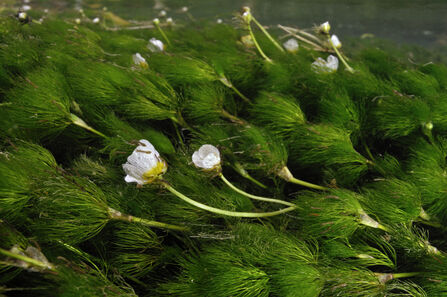
These are unique, irreplaceable, and internationally important systems for both wildlife and people. And they are not in a good way. Choked by years of relentless sewage and agricultural pollution, they have been treated as nature's convenient waste disposal route for years.  

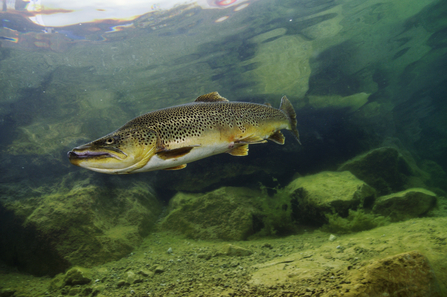
To make matters even worse, layered on top of this stark situation are the threats posed by a changing climate. Just this summer, pollution events combined with shockingly low water levels and warmer temperatures in the River Wensum left fish struggling to breathe and thousands dead. 

We are a world away from the crystal clear, free flowing and mineral-rich waters they could, and should be. And we are on the brink of destroying the world we desperately need – crisscrossed with healthy waterways acting as the arteries of prospering communities, filled with wildlife, offering an abundance of clean water and protecting us from the increasing risk of floods.  

As we face these challenges, it is vital that we take every opportunity to collectively make a difference.   

The first alarm bell rings on reading that the EDP scores the current state of the protected sites of the River Wensum and the Norfolk Broads as red on every conservation status. This means they are deteriorating and severely degraded and require “significant intervention over a long timescale”. 

This is no time for adding further pollution to our waterways. 

A key tenet of the EDP is that whilst the Nature Restoration Fund will be used to address the damage to nature caused by development at some point in the future, it is not required to avoid the damage in the first place. Does this mean a development could introduce new pollution to our precious, unique and beleaguered waterways, with no expectation that this should be prevented? The shocking answer is yes.   

At Norfolk Wildlife Trust we have many concerns which we will spell out in our consultation response. Among these are:  

  • You can pollute here and offset over there, so it says. We want to see the EDP "turn the taps off" to future pollution - there are no "avoidance” conservation measures, and any compensation could be too little, too late for vulnerable habitats under severe pressure.
  • Apparently, we must accept that more houses equal more pollution. Surely not? We live in a developed 21st century economy which has all the technology to strip pollution from waste water. We must challenge the lack of political will to make this happen. 
  • The EDP sees a substitution of strict Habitat Regulation requirements to cause no harm to a protected habitat for a weaker, more general requirement to show ‘overall improvement’. As currently set out, the “overall improvement test” is highly theoretical, complex and judgmental.  In our view, it must be crystal clear that the benefits will well exceed the harms to deliver public credibility – something that is currently missing from the EDP. 

  • The EDP does try to take a more strategic approach by aiming to benefit a whole landscape – which, in principle, is commendable. However, protecting nature from the impacts of development – including huge amounts of pollution already going into our waterways - relies on other mechanisms being in place, which currently aren’t. It’s reasonable that the public and developers would expect to be paying for a system which solves the whole problem, and links to a clear strategy with properly funded local plans driven by local expertise.  
  • We still do not have any specific protection for chalk stream river systems. They are an irreplaceable habitat. We made this point repeatedly last year, and the government promised to address this in the National Planning Policy Framework. They have still not met this promise, even though this would be an easy thing to do.
  • EDPs are dictated onto local areas by the Secretary of State, with minimal local input and consultation. This runs completely counter to the rhetoric of the Burnham government. The government now has an opportunity to address this through the water sector reform. The EDPs must be improved and backed by strong Regional Water Plans that give back public control, take a single system view and ensure a credible and balanced path towards the River Wensum and Norfolk Broads becoming the lifeblood of a wild and prosperous county.  

Norfolk Wildlife Trust has existed for over 100 years to create a county in which nature is abundant and thriving. Across the UK, we are one of the most nature depleted countries in the world - and time is of the essence. 

Our rivers are complex natural systems and so our regulation must adapt to address this.  

The EDP poses too much risk considered in isolation. Instead, we need an integrated, funded solution realised through such measures as improvements to wastewater treatment plants, a Protected Sites Strategy, and the upcoming Clean Water Bill.  

The EDP will allow immediate harm to our waterways – even if it claims to do some good elsewhere in the landscape at some future point. It carries too much uncertainty, too little regard for existing wildlife and habitat laws, and too much reliance on future legislation or a credible plan of action that doesn't exist yet.  

We all want to see a way forward to provide the homes people need, but we must demand bolder and more imaginative solutions to ensure these don't come at the expense of healthy natural systems that we will all sorely miss if they are destroyed beyond repair.  

As it stands, the EDP requires a leap of faith that we just can't afford to make.