A wilder Norfolk for all.
We're working to protect Norfolk's wildlife and the wild places they call home.
Norfolk Wildlife Trust has been protecting and restoring Norfolk's nature since 1926. Today, we manage over 60 nature reserves and other key sites for nature across the county. With the help of our supporters, we create, maintain, and protect habitats which nurture a thriving variety of wildlife, including some of Norfolk's rarest species. We are dedicated to inspiring more people to connect with and take action for nature; through visiting our nature reserves, volunteering, or joining us as a member.

In 2026, we mark 100 years of supporting Norfolk's nature. We hope you'll join us in celebrating this memorable year!
Learn more about our remarkable history, browse exclusive centenary products, watch our anniversary film (it's a real tear-jerker!), join our centenary challenges, or donate to our appeal and help shape the future of Norfolk’s wildlife.

Our online shop is now live!
From our charity Christmas cards or 2027 calendar to colourful clothing featuring your favourite species of wildlife, get ready to browse new ways to shop online and benefit Norfolk's wildlife while you do so.
Every purchase helps protect Norfolk's nature!
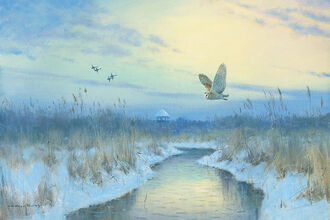
Lives in art: meet Norfolk Wildlife Trust's Christmas card artists
Discover more about the artists who have brought our 2026 festive collection to life.
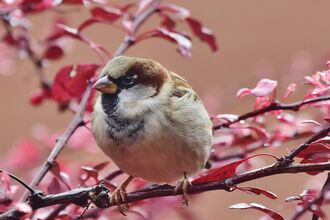
Norfolk's nature - October 2026
Reserves Officer Robert Morgan shares the excitement that October’s autumnal weather has brought to Norfolk, from falling leaves to…
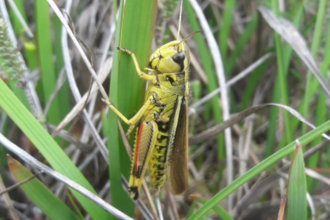
'Hopping to it' for a rare Norfolk grasshopper
Returning the UK's largest grasshopper to its former Norfolk haunts has been a surprisingly moving experience for Reserves Officer…


Sam Lee - Songdreaming album cover (Credit: Dom Tyler)
Sam Lee to play special NWT gig!
Sam Lee is bringing an evening of music and storytelling to Norwich on Saturday 21 November, accompanied by East Anglian folk duo Christina Alden and Alex Patterson, to celebrate our centenary year and raise funds for Norfolk's wildlife.
Sam’s beautiful work breathes new life into traditional songs, blending ancient melodies with contemporary sounds. His debut album was shortlisted for the Mercury Music Prize, with his most recent release named one of MOJO’s Top 10 Folk Albums. Sam is a passionate conservationist and his music is deeply inspired by nature and wildlife.
What's on


